Skip to content
LOCATION
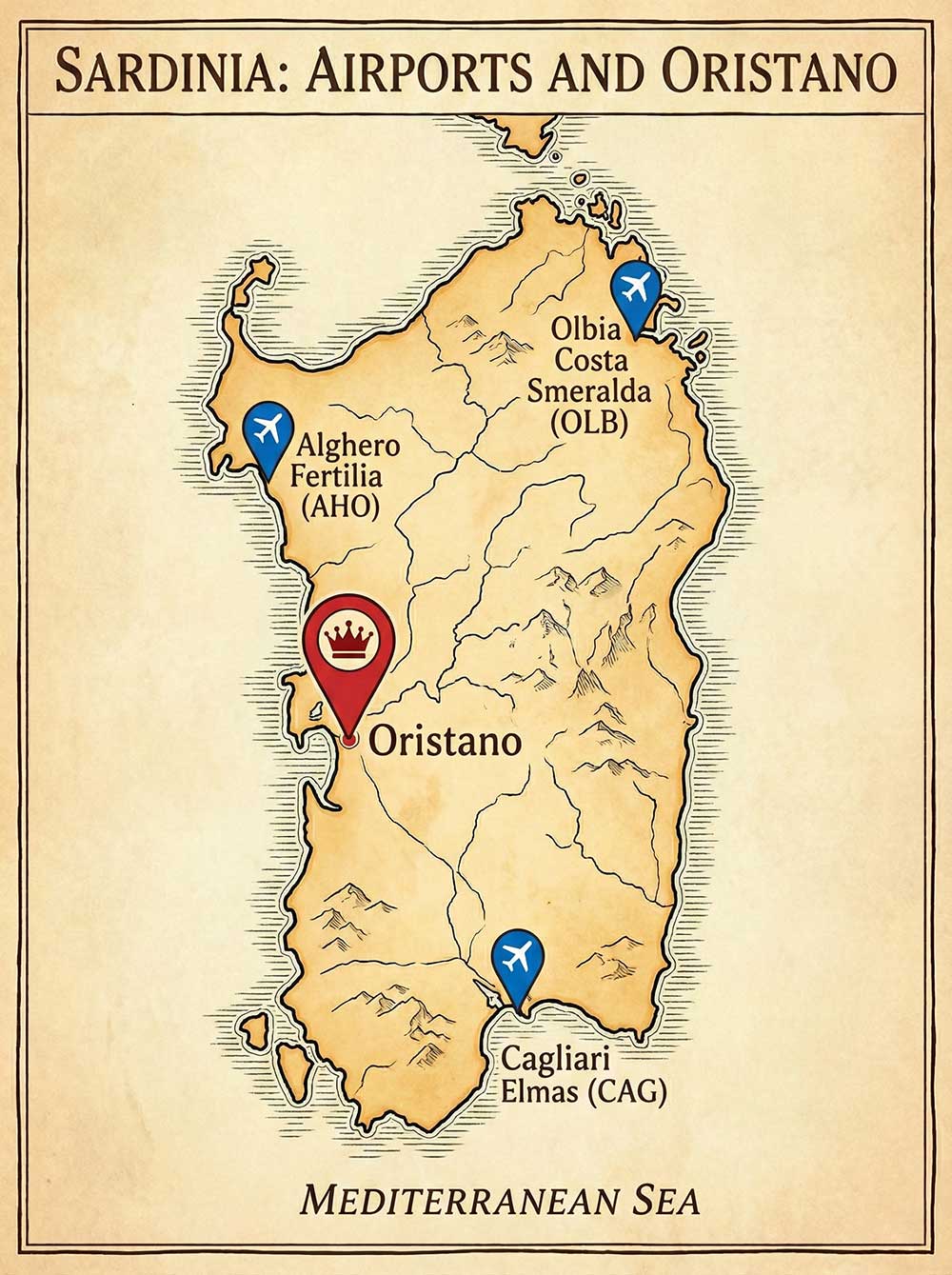
Oristano, Sardinia – A Place for Writing
Residencies for the Deledda Master in Creative Writing & Translation take place in Oristano, Sardinia, a Mediterranean town with a strong cultural identity and a long tradition of intellectual life
The choice of location is integral to the program’s philosophy. Oristano offers conditions that are increasingly rare: time, focus, and distance from distraction. It is a place where writers and translators can step away from the pressures of everyday routines and engage fully with their work
CULTURAL & LITERARY CONTEXT
Sardinia has produced a distinctive literary voice shaped by language, landscape, and history. The island’s most celebrated writer, Grazia Deledda, Nobel Prize in Literature (1926), explored themes of identity, moral complexity, and place that continue to resonate across cultures
This legacy is not treated as heritage in a museum sense, but as a living point of reference—an invitation to reflect on how local experience can speak to universal concerns
An Environment Conducive to Concentration
Oristano is neither isolated nor metropolitan. Its scale allows for concentration and continuity, while its connections make it accessible to international participants
Residencies are designed to balance structured academic work with informal moments of exchange, reading, and discussion. The rhythm of the place supports sustained attention and meaningful interaction among students and faculty
Beyond the Classroom
While the focus of the Master remains academic and creative, the location naturally encourages exploration of broader cultural perspectives
Students encounter a Mediterranean context marked by multilingual histories, crossings, and exchanges—an environment that quietly reinforces the program’s attention to language, translation, and cross-cultural imagination
We believe that a writer must confront both craft and self
THE LOW-RESIDENCY EXPERIENCE
From the very first residency, the Deledda Master in Creative Writing & Translation brings together a small, highly engaged international community of writers and teachers in Oristano, Sardinia
The in-person residencies are immersive and intensive, designed to create a shared rhythm of work, reflection, and exchange. Days are shaped by workshops, lectures, readings, and discussions, but also by the informal moments that happen beyond the classroom: conversations over meals, walks through the city, time spent together thinking, writing, and observing. These experiences are not peripheral — they are central to the life of the program
Living and working in Sardinia invites students into a different relationship with time, place, and attention. Many find themselves deeply affected by the island’s cultural depth, its landscapes and colors, its strong sense of identity, and its slower, more reflective rhythms. For many students, the Master becomes not only a period of intense creative work, but a formative life experience that leaves a lasting emotional and intellectual imprint
Between residencies, students continue their work from home through one-to-one mentorship and sustained dialogue with faculty and peers. It is in this context that the low-residency model reveals its full meaning: it is not an online degree, but a structured, continuous practice rooted in real human encounters and carried forward through disciplined, guided independent work
By the time students graduate, they leave with a strengthened artistic practice and an international network of collaborators, mentors, and peers — a community that endures well beyond the duration of the Master
CAMPUS & COMMUNITY
A SHARED EXPERIENCE
Living and working together during residencies fosters a sense of community that extends beyond formal teaching
The experience of writing in Oristano becomes part of the intellectual and creative journey of the Master, shaping relationships, conversations, and work in ways that endure long after the residency has ended
Residencies for the Deledda Master in Creative Writing & Translation take place within a historic former Seminary, carefully and fully restored to serve as an academic and residential campus
The campus is conceived not simply as a venue, but as a shared living and working space, designed to foster concentration, dialogue, and a strong sense of community among students and faculty
THE CAMPUS
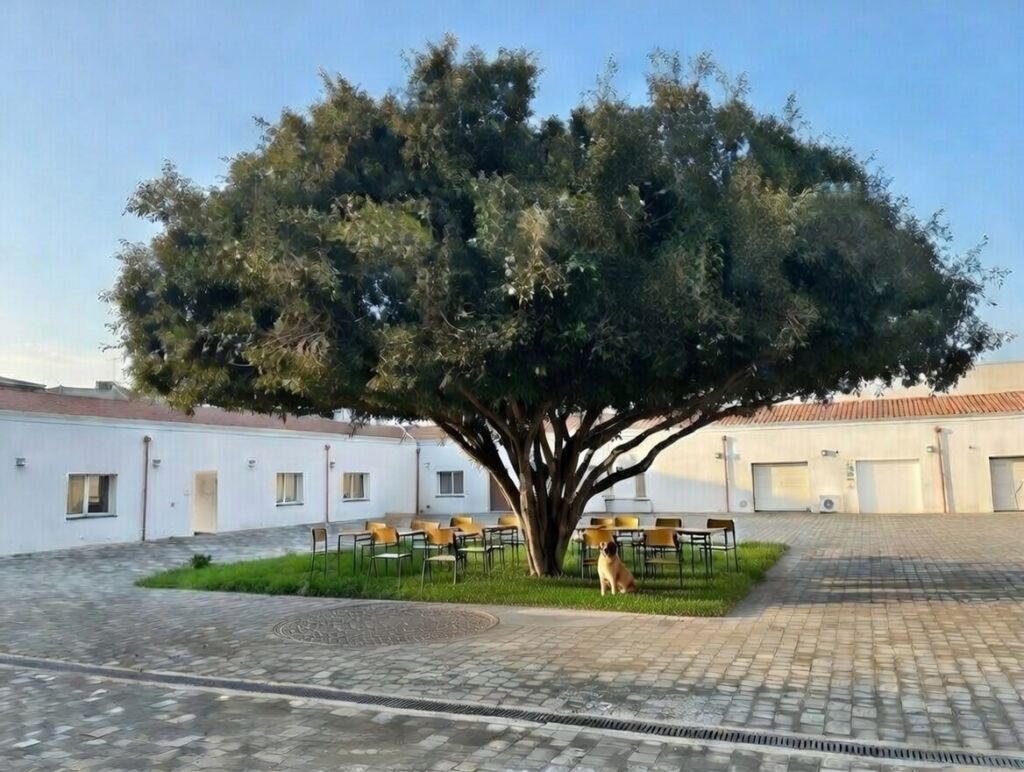
The restored complex includes:
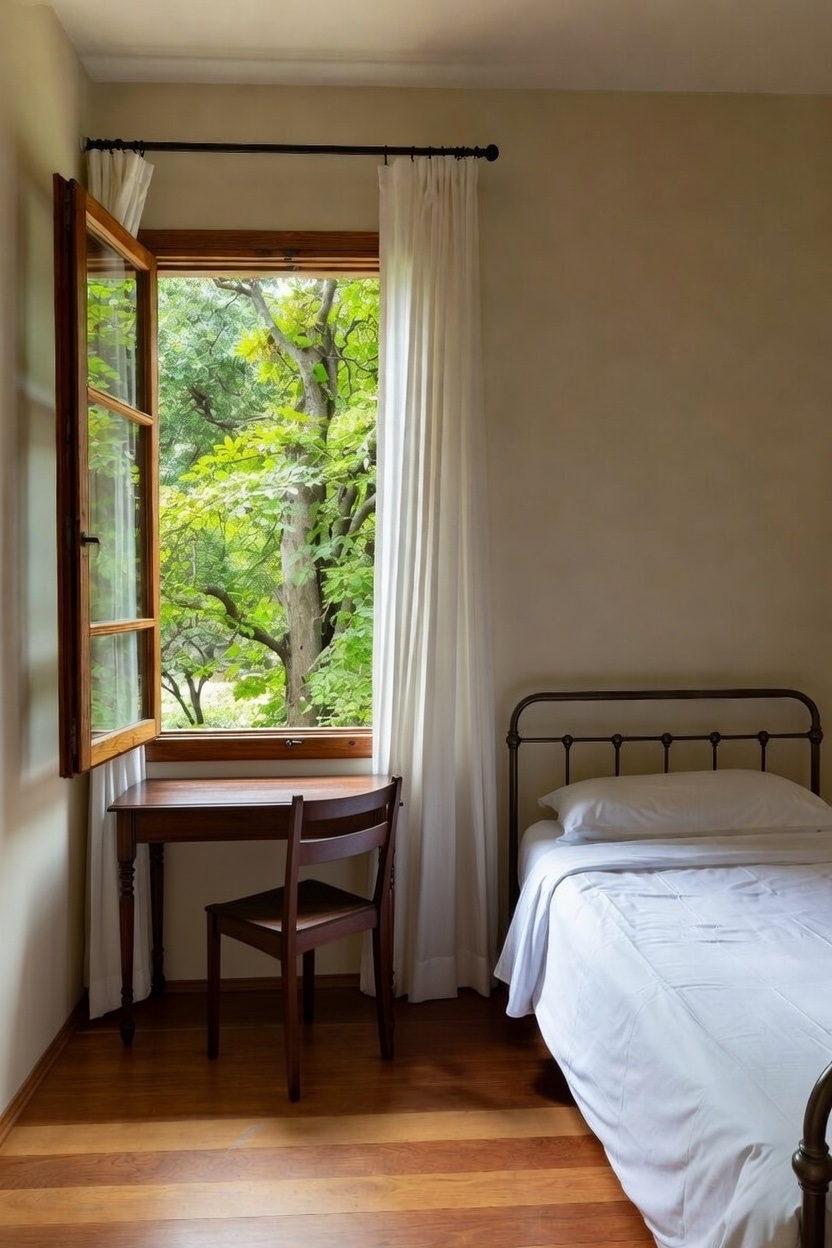
- private and shared rooms for students and visiting faculty
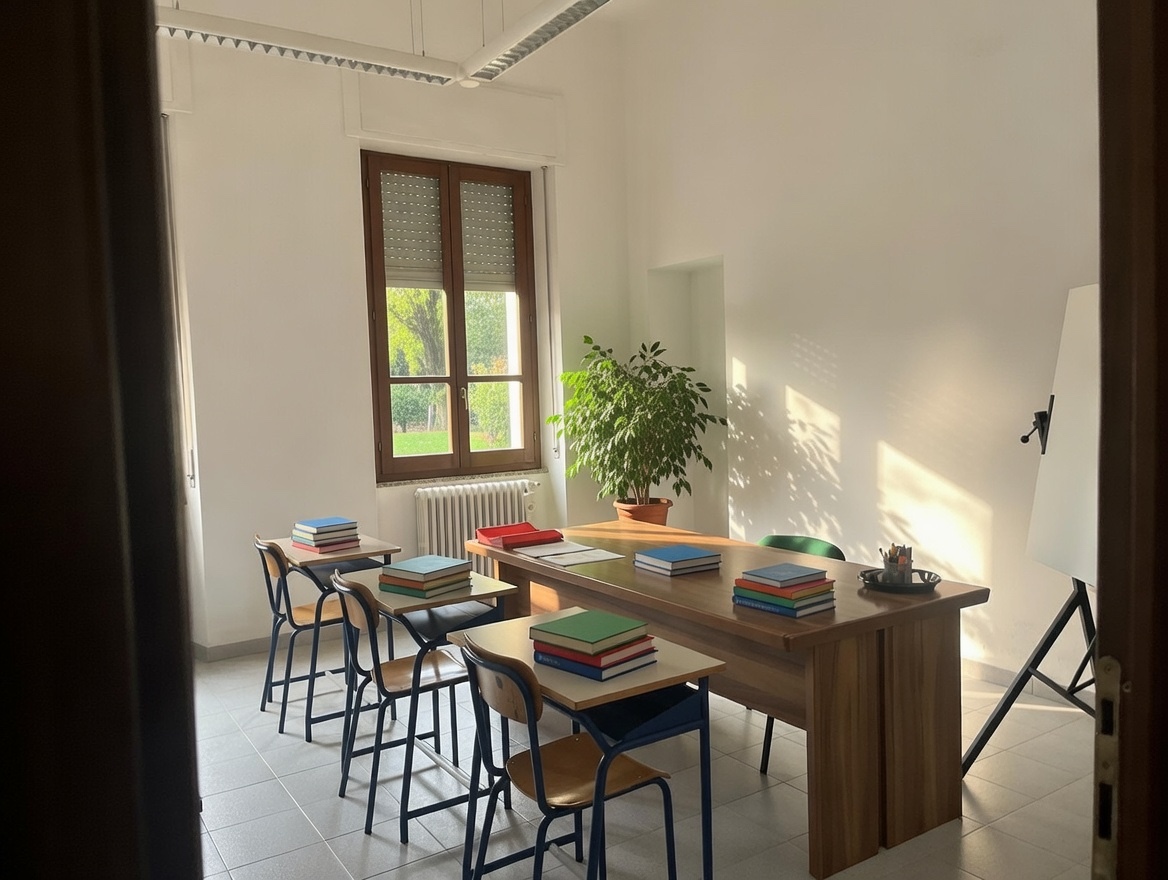
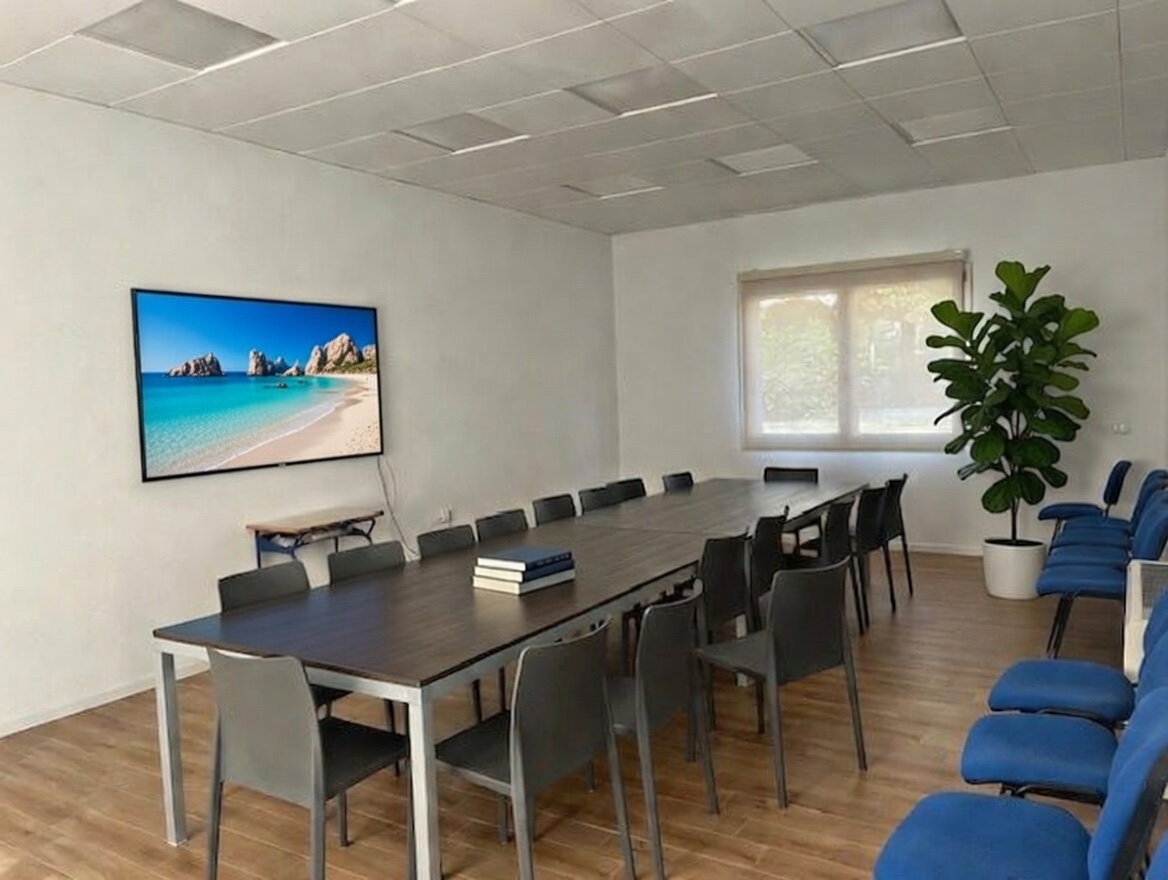
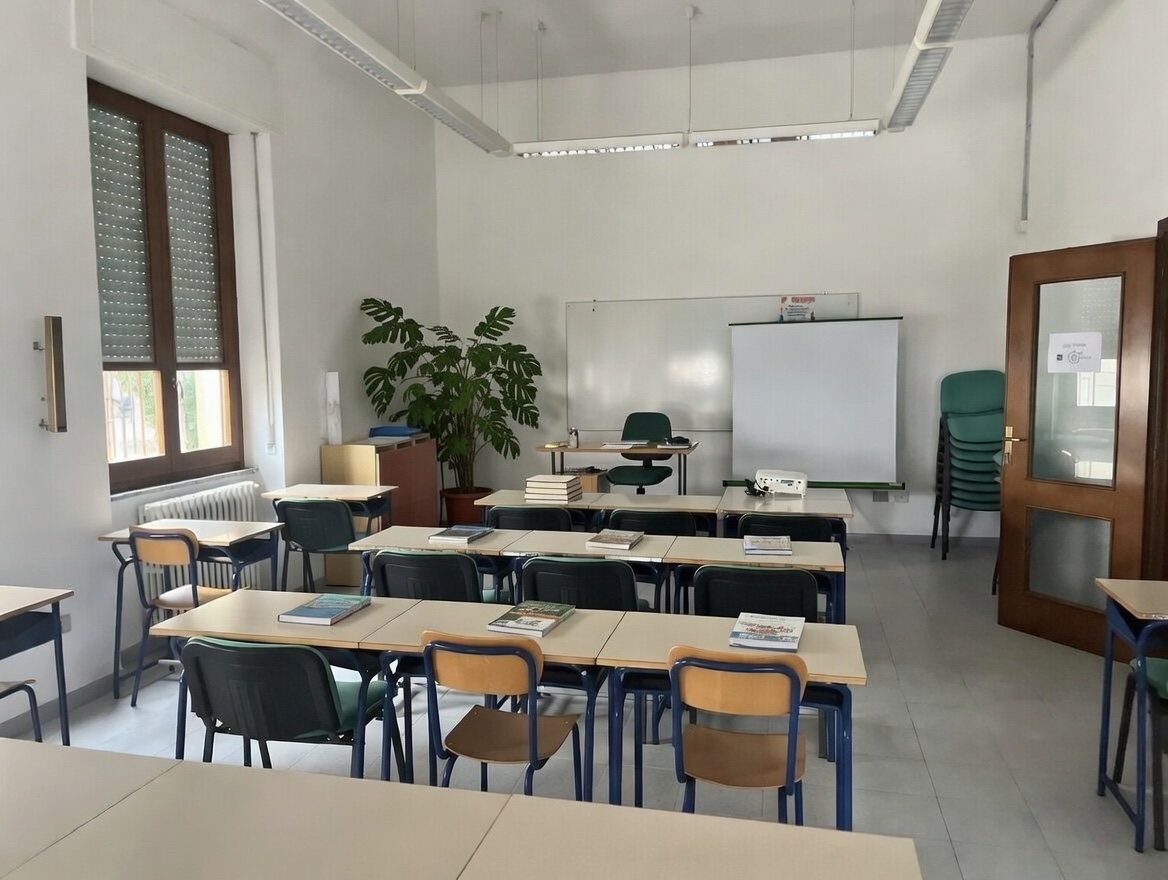
- classrooms for seminars, workshops, and lectures
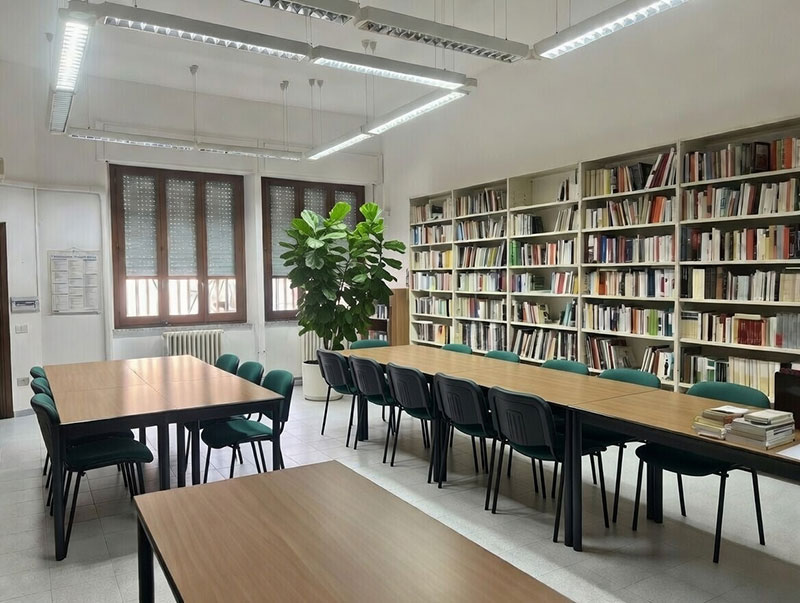
- quiet study rooms dedicated to individual work and reading
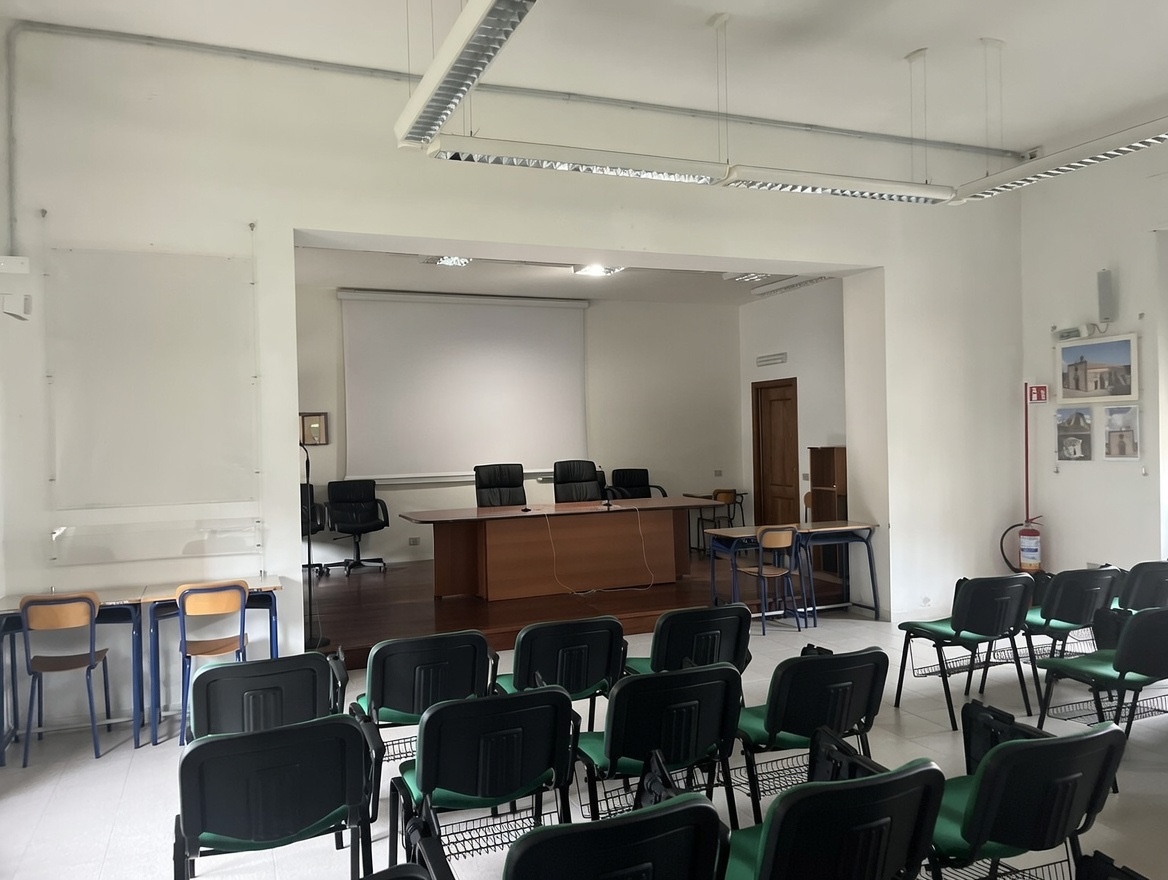
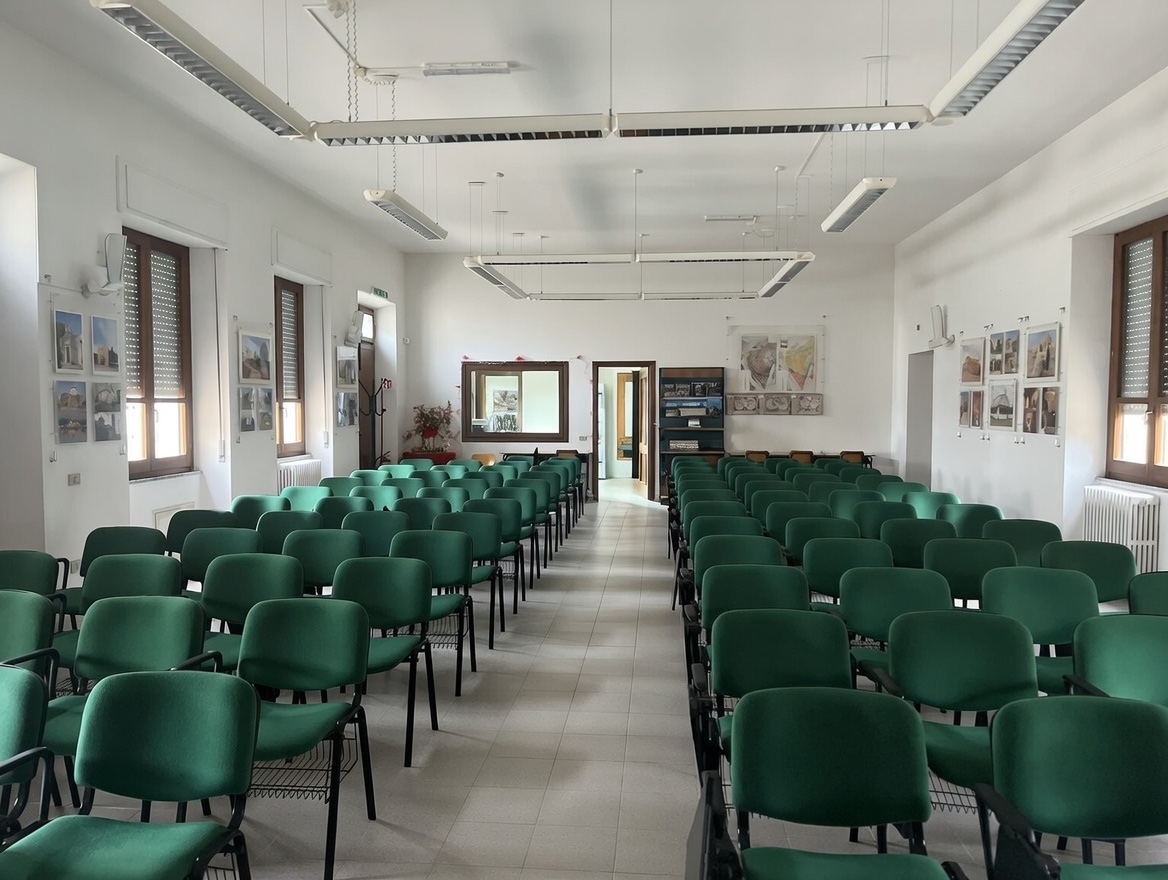
- an auditorium for public talks, readings, and collective sessions
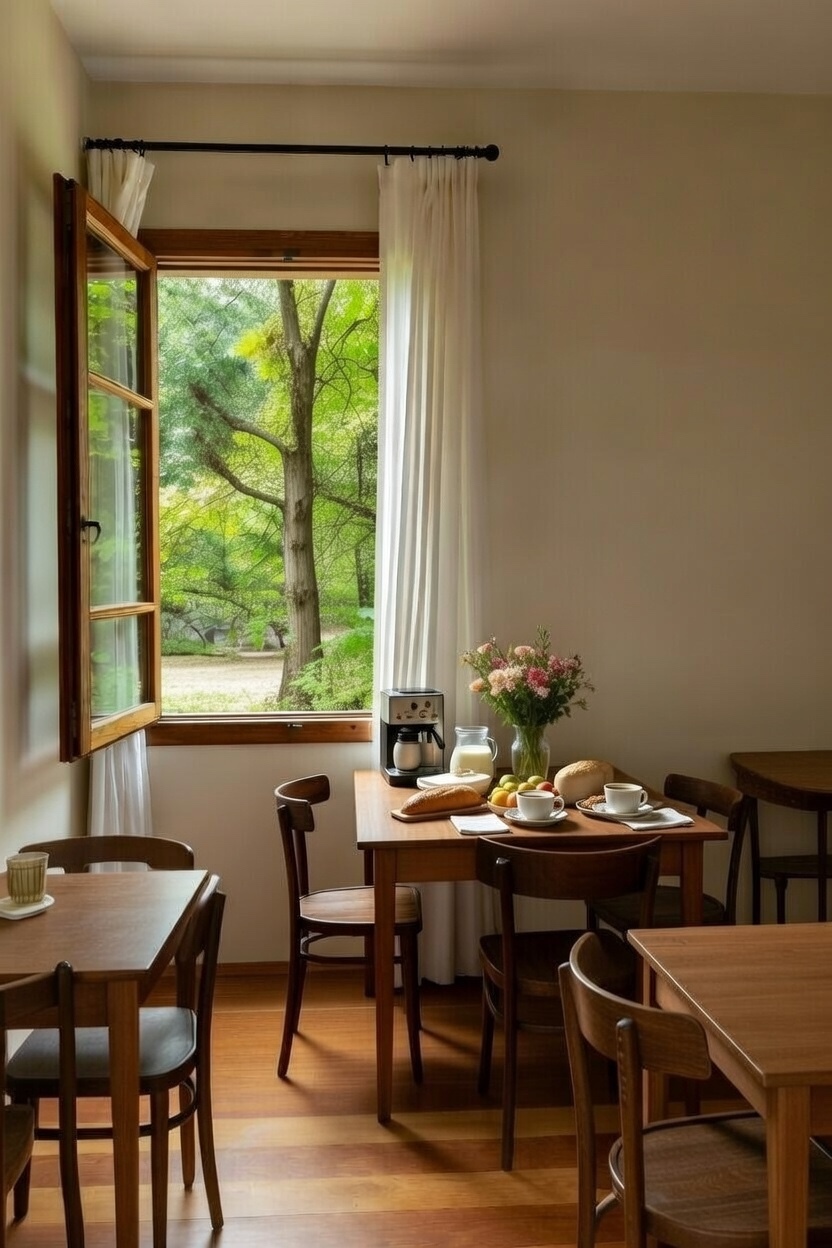
- a breakfast and coffee area, encouraging informal exchange
- outdoor sports facilities and open spaces for physical activity and relaxation
All facilities are located within the same enclosed campus, allowing participants to live, study, and work together throughout the residency period
LOCATION WITHIN THE CITY
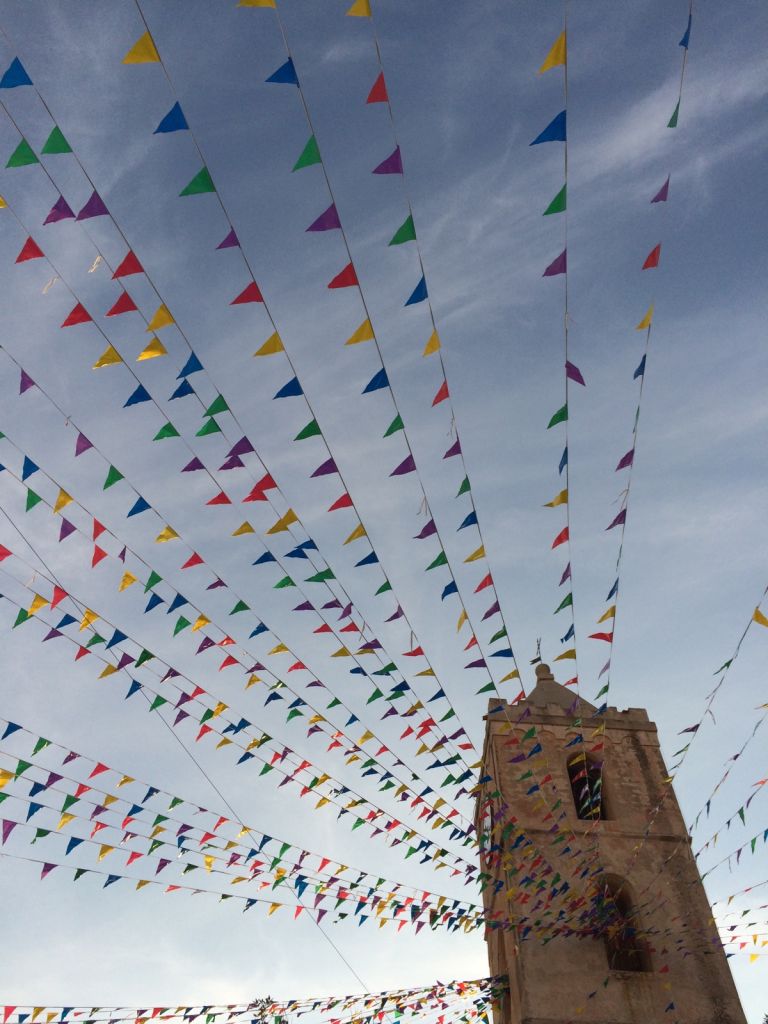
The campus is situated within the historic walls of Oristano, a short walk from the Aragonese tower, one of the city’s architectural landmarks
Its central location allows easy access to the life of the city while preserving a sense of enclosure and focus during residency periods
A COMMUNITY EXPERIENCE
Living and working together during residencies is a core element of the program’s philosophy
Shared meals, informal conversations, readings, and collective moments complement the academic program and contribute to the creation of a temporary but intense creative community
The campus environment supports the development of relationships and exchanges that often continue well beyond the duration of the Master, reinforcing the program’s long-term intellectual and human network